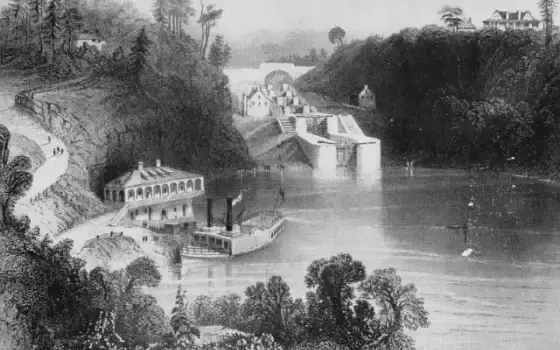
PHOTO: An illustration by 19th-century artist W.H. Bartlett shows old Bytown’s steamboat landing in Entrance Bay near the headlocks of the Rideau Canal in 1836. Note the small building on the right side of the locks — which still exists as the Bytown Museum. The buff directly above the canal — the future Parliament Hill — was still known as Barrack Hill and was being used as a military base at the time. The boat landing below what is known today as Major’s Hill Park was 19th-century Bytown/Ottawa’s main place for important comings and goings. [Library and Archives Canada/PA-133871]
Flowing for an impressive 1,271 kilometers, the Ottawa River has shaped the history, culture, and economy of the region for centuries. Today, it’s more than just a natural boundary between Ontario and Quebec—it’s a vibrant hub for recreation and tourism. From its role as a vital trade route for Indigenous peoples to its modern-day use as a playground for kayakers, boaters, and Palapa Tours passengers, the Ottawa River continues to connect people and places in unique and exciting ways.
A Historic Lifeline
The Ottawa River has been central to life in this region for thousands of years. Here’s how it’s evolved over time:
- Indigenous Peoples and Early Trade:
Long before European settlers arrived, the Ottawa River was a key trade route for Indigenous peoples. The Algonquin, who called it “Kitchissippi” (meaning “Great River”), used it as a highway to exchange goods like furs, tools, and food.
- Fur Trade Boom:
In the 17th and 18th centuries, the river became a major artery for European fur traders. Canoes laden with pelts navigated its waters, making it a cornerstone of Canada’s early economy.
- The Timber Era:
By the 19th century, the Ottawa River was at the heart of the booming timber trade. Massive log booms floated downstream, bound for markets in Europe and North America. The timber trade fueled the growth of towns like Ottawa, turning it into a major economic hub.
- Hydroelectric Power and Industry:
The river also played a critical role in industrial development, with hydroelectric dams harnessing its energy to power cities and industries along its banks.
The River Today: A Hub for Tourism
Fast-forward to today, and the Ottawa River is no longer just a highway for trade—it’s a destination for fun, adventure, and exploration. Here’s how it continues to thrive:
- Water Sports Galore:
The river’s calm stretches and rapids make it a hotspot for water sports. Kayakers, paddleboarders, and jet-ski enthusiasts flock to its waters in the summer months.
- Scenic Cruises and Tours:
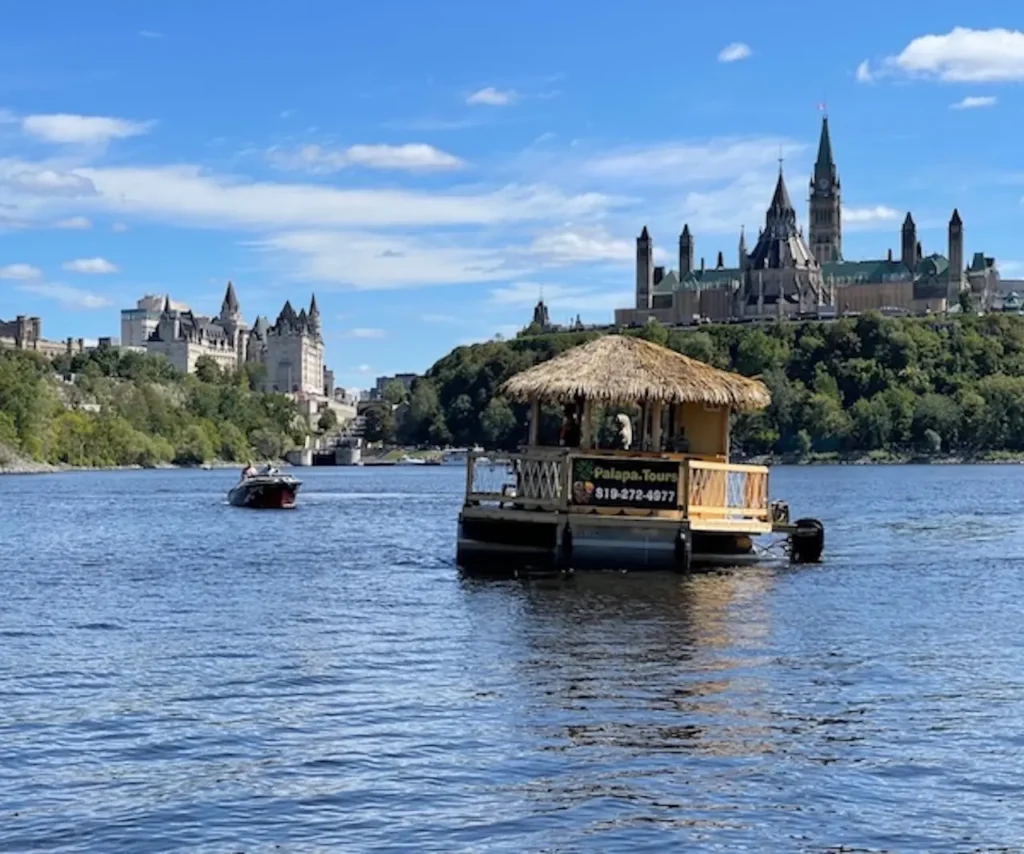
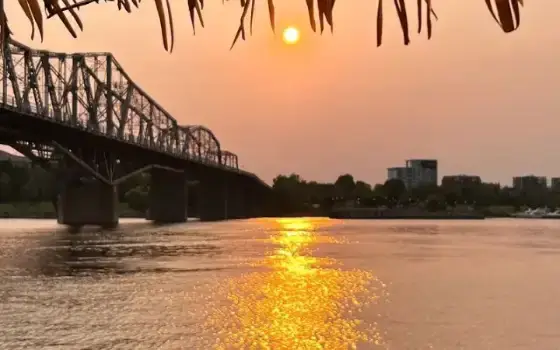
The Ottawa River offers some of the most breathtaking views of the capital region. Palapa Tours, for example, lets visitors soak in the sights from the comfort of a tiki boat, blending relaxation with the city’s rich history.
- Cultural Landmarks:
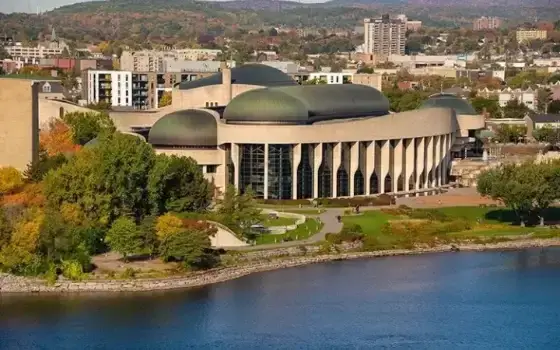
From the National Gallery of Canada to the Canadian Museum of History, many iconic landmarks are visible from the river, giving visitors a unique perspective on the city’s culture and history.
- Eco-Tourism:
With its diverse ecosystems and abundant wildlife, the river is a haven for nature lovers. Birdwatchers and photographers flock to its banks to capture glimpses of herons, ospreys, and even the occasional bald eagle.
Fun Facts About the Ottawa River
- It’s a UNESCO Biosphere Reserve:
Did you know the Ottawa River was designated a UNESCO Biosphere Reserve in 2016? This recognizes its rich biodiversity and cultural significance.
- It’s Home to Over 85 Fish Species:
Anglers, take note! The Ottawa River is teeming with fish, including walleye, pike, bass, and even the elusive muskellunge.
- It Has No Locks Downtown:
Unlike the Rideau Canal, the Ottawa River downtown has no locks. To travel further along the river, boaters need to take their boats out of the water and trailer them.
- It’s Older Than You Think:
The Ottawa River dates back more than 10,000 years, formed during the last Ice Age when glacial meltwaters carved its path.
- It’s Been a Movie Star:
The river has made appearances in several films and TV shows, serving as a scenic backdrop for everything from documentaries to action flicks.
Why the Ottawa River Matters for Tourism
Whether you’re a visitor or a local, the Ottawa River offers something for everyone. It’s not just a body of water; it’s a living, breathing part of the region’s history and identity. By exploring its waters, you’re not just having fun—you’re connecting with centuries of stories, trade, and culture.
So next time you’re planning an outing, consider hitting the water. Whether it’s a serene Palapa Tour, a paddleboarding adventure, or simply enjoying the view from the shore, the Ottawa River is waiting to share its history and beauty with you.
Ready to explore the Ottawa River? Let Palapa Tours take you on a journey through history, fun, and breathtaking views. Book your tour today and experience the river like never before!