
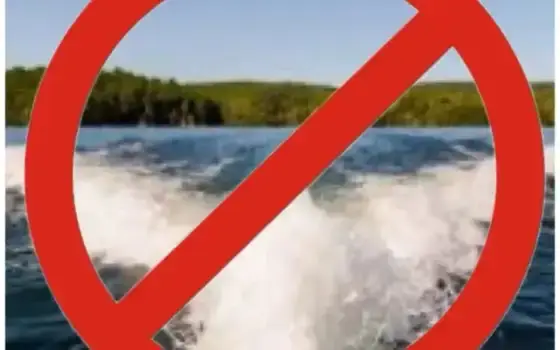
The Ripple Effects: Why Wakes Are a Big Wake-Up Call
As a commercial boat captain, I’ve spent countless hours on the Ottawa River, and the more time I spend, the clearer it becomes—we need stricter regulations (and better education) for leisure boaters. And while I could go on about why graduated licensing should be mandatory for boat operators, today we’re tackling one of my biggest pet peeves: nonsensical wakes.
The Ottawa River: A Playground, Not a Racetrack
First, let’s set the stage. The Ottawa River spans an impressive 1,271 km, with the stretch from Ottawa to Montreal clocking in at about 190 km. That’s a whole lot of water for boaters to throttle it up and feel the wind in their hair. But here’s the thing: downtown Ottawa is NOT the place to do it.
If you’re boating in the downtown core, you’ve probably noticed something important: you can’t take your boat much farther in either direction. Heading west? The Chaudière Falls have got you blocked. Going east? Same story. You’ll hit another barrier and have to haul your boat out and trailer it to continue on the river. No locks, no canals—just a hard stop.
So, why are so many boaters ripping it from the Rockcliffe Boathouse to downtown? What’s the rush? Did those three saved minutes make your day? If it’s about showing off for that cute gal (or guy) or feeling the wind in the three remaining hair follicles you’ve got, here’s a thought: take the throttle east of Kettle Island, where there’s plenty of space to let loose.
The Real Impact of Wakes
Downtown Ottawa’s waterways are teeming with activity: kayakers, paddleboarders, small fishing boats, and yes, pedal boats and tour vessels. When leisure boaters blast through the area at full speed, the wakes they create can cause serious problems:
- Environmental Damage:
Wakes erode riverbanks, destroy wildlife habitats, and disrupt delicate ecosystems. It’s not just about the water—it’s about the creatures and greenery that call the river home.
- Safety Hazards:
For smaller boats, kayakers, and paddleboarders, large wakes can feel like tsunamis. They destabilize vessels, lead to spills (and injuries), and make the river less enjoyable for everyone.
- Infrastructure Damage:
Docks, marinas, and shoreline structures take a beating from constant wakes, leading to costly repairs and maintenance.
- Wasted Fuel (and Money):
Let’s not forget: ripping it in a no-wake zone guzzles gas unnecessarily. So congratulations, you just burned through $50 of fuel to shave three minutes off your trip. Totally worth it, right?
Let’s Keep It Respectful
Downtown waterways are for everyone to enjoy. Whether you’re a boater, a kayaker, or someone out for a paddleboard session, we all have a responsibility to share the space respectfully. That means keeping your wake to a minimum where it matters most—downtown Ottawa.
Sure, there’s a time and place for cranking the throttle, but the stretch between Rockcliffe and downtown isn’t it. Save the speed show for less crowded areas like east of Kettle Island, where your wake won’t disrupt or endanger others.
A Boater’s Etiquette Refresher
If you’re a leisure boater, here’s your friendly reminder:
- Always check for no-wake zones and respect them.
- Be mindful of smaller crafts and pedestrians along the riverbanks.
- If you’re in downtown Ottawa, think of it as a shared living room—keep it calm and courteous.
A Better Boating Future? Stay Tuned
This issue of wakes ties into a bigger problem: the lack of a proper licensing system for boaters in Canada. Imagine if boating had the same graduated licensing structure as driving—how much safer and more enjoyable would our waterways be?
But that’s a topic for another day (and another blog). For now, let’s all agree: nonsensical wakes don’t belong downtown. Keep it smooth, Ottawa, and let’s preserve the beauty and safety of our river for everyone.
See you on the water—but hopefully, not in the wake!